
Past Research Projects:
Elm Tree Surgery, North Swindon Practice and Ashington House Surgery supported this study looking at brain changes during the withdrawal of antidepressants:

If you are interested to find out more please contact Seline Uran ([email protected] 07354 789341).
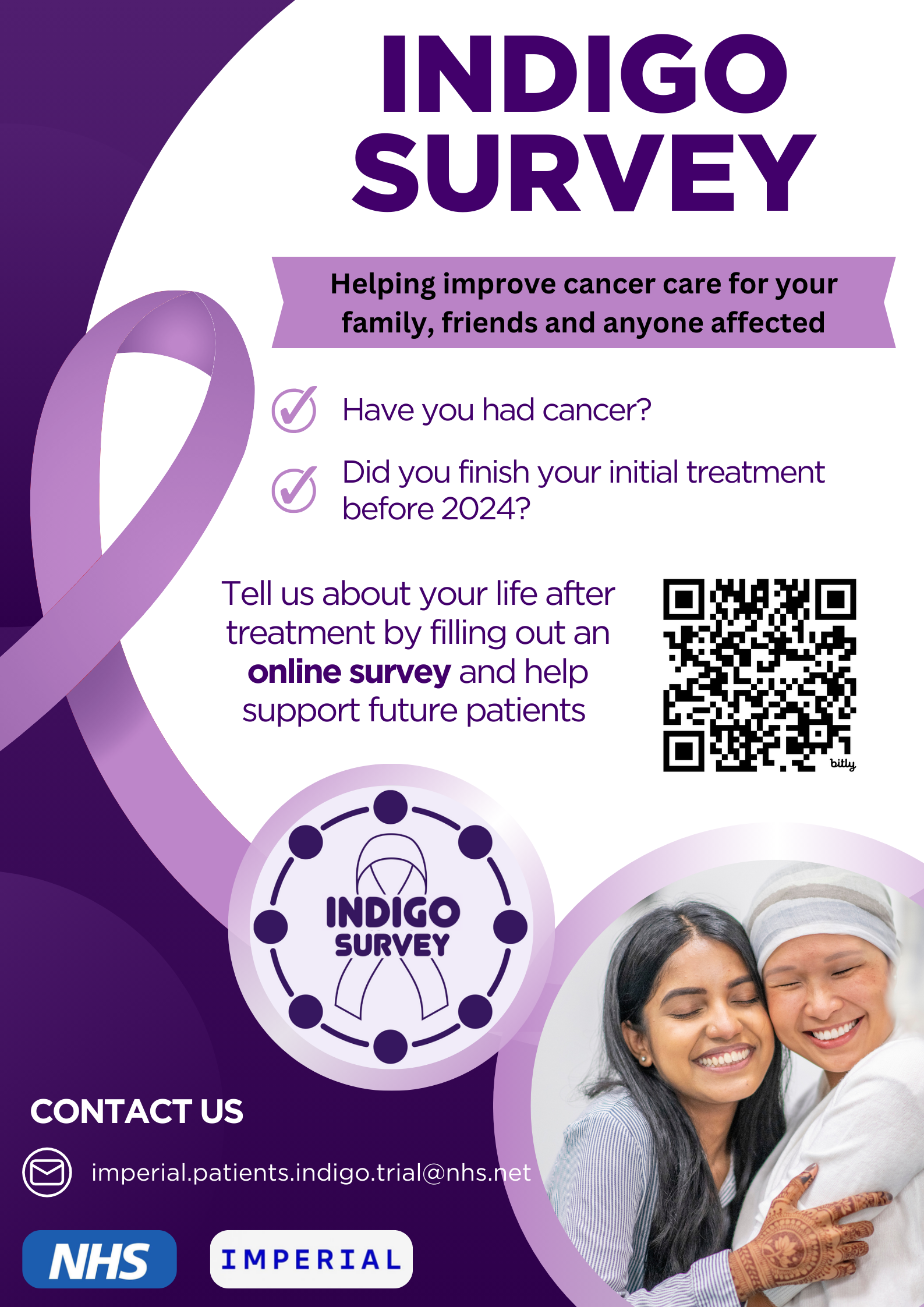
Multiple member practices (Elm Tree Surgery, Kingswood Medical Group, North Swindon Practice, and Ashington House Surgery, Park Lane, Phoenix Surgery and Ridge Green) sent invitations to their patients who previously experienced cancer, to invite them to complete an online INDIGO survey which will help shape the support for future patients. To find out more, click here:
Victoria Cross Surgery – TIGER (now closed to recruitment):

Further information about the Tiger study can be found here.

Elm Tree Surgery supported the ATHENA shingles study – Now closed to recruitment
We want to find out if taking amitriptyline can prevent the persistent pain that some people get after shingles.
50 years or older and recently got shingles? You may be able to take part. Ask your doctor for more information.
Shingles is a distinctive blistering rash that appears on only one side of the body and is painful.
If you think you have shingles, ask for a same day appointment as you may benefit from antiviral medication.
You may also be eligible for an NHS study (the ATHENA shingles study), to find out whether a treatment can prevent persistent pain, months after the rash has gone.
Website: www.bristol.ac.uk/athena-study
Email: [email protected]
Twitter: @AthenaStudy
RELOAD
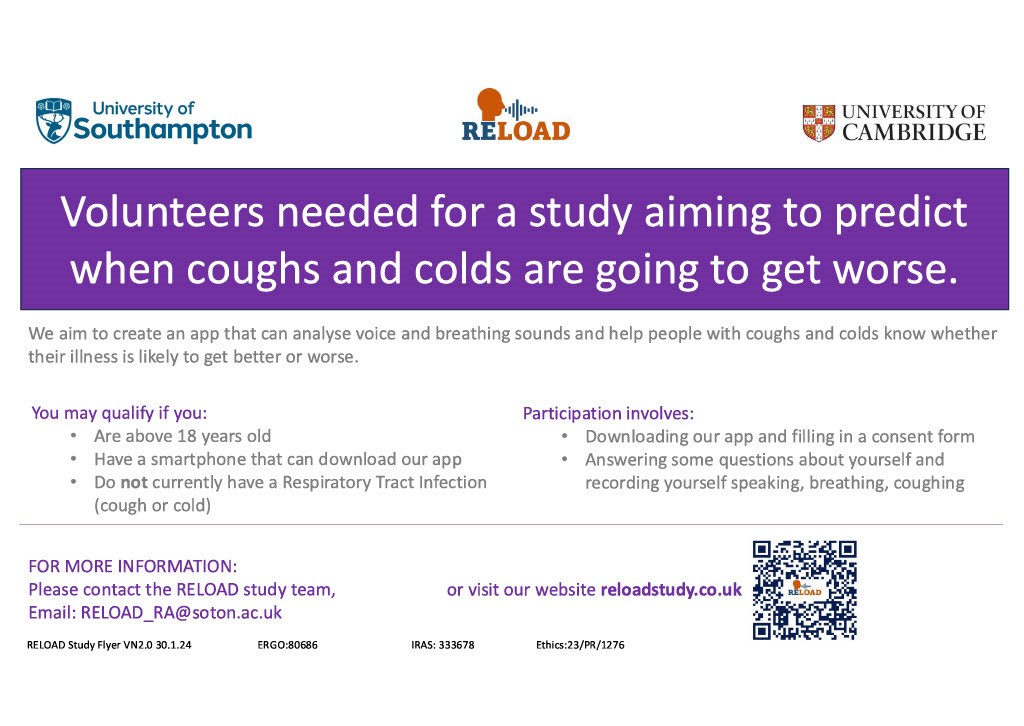
North Swindon Practice, Ashington House Surgery, Kingswood Medical Group and Elm Tree Surgery participated in January 2025.
For more information please contact the RELOAD study team at: [email protected]
Or visit their website RELOAD | Primary Care Research Centre | University of Southampton
Many of our practices supported:
SELF FRAX
Gait Retraining Study
Click for: Patient Information Sheet for Gait Retraining study

This study implemented a non-invasive programme that alters your walking pattern to reduce knee loading and pain. Researchers aim to reduce your knee loading by modifying your step patterns (such as foot angle, step width and step length) while walking on a treadmill. The study will be run for seven continuous weeks. Each session will last for around one hour (first and last sessions may be longer), for a total of seven to nine sessions. It is hoped that as knee loading decreases, you will also experience a decrease in pain, which has been demonstrated in previous research studies. Additionally, the results of this study will provide guidelines for future knee rehabilitation programs and potentially develop a portable gait retraining device for people with knee osteoarthritis.
The researchers were looking to recruit people who are diagnosed with knee osteoarthritis and are between 45 and 69 years of age. More detailed inclusion criteria will be screened by the researchers at your initial contact.
By identifying your optimal walking pattern, we believe there will be physical benefits such as pain reduction, reduced osteoarthritis progression, and improved quality of life.
This study is being conducted by University of Bath. There is no obligation to take part in this research. If you are interested in receiving more information please contact:
Miss Yi Wan (PhD Candidate) – [email protected]
The researchers will then send you more detailed information and can arrange a meeting to provide further information, as well as answer any questions.
3 of our BHG Practices contributed to the University of Bristol
“Deprescribing of long-term medicines in the context of limited life expectancy” study:

Many medicines have long-term benefits and prevent illness. Over the last year or two of life, however, the benefit of continuing to take long-term medicines maybe small and no longer helpful. Stopping medicines (also known as deprescribing) at this stage could improve quality of life, reduce side effects and treatment burden. To do this sensitively and effectively, there is a need to find out what information would help patients and healthcare professionals to make decisions to stop long-term medicines.
The aim of this study is to find out more about when and how patients and healthcare professionals in GP practices would prefer to have conversations about stopping long-term medicines.
The researchers are inviting people who are aged 65 years or more and living with and taking medicines for 2 or more long-term conditions. This is because they wish to speak to a range of people to seek their views and opinions.
Many of our practices contributed to Beacon, and many patients will still be involved:
 BEACON: Brain Training App for Cognition in People with Long Covid
The most concerning legacy of the Covid-19 pandemic is Long-Covid which affects at least 9.9% of people. About 25% of people with Long-Covid experience problems with their brain health, such as memory problems. People with these symptoms can find it harder to get back to their normal lives. We don’t yet know if there are any longer-term effects, but it is important that we find a way to treat these symptoms. The Reasoning Cognitive Training (ReaCT) brain training programme is available online and is known to help maintain brain health in older adults but has not yet been tested in people with Long-Covid. This BEACON study aims to establish the effectiveness and cost-effectiveness of the ReaCT brain training programme in adults with cognitive impairment following Covid-19. BEACON has now closed but if you would like to know more, please contact [email protected].

‘Active Brains’ is a website that aims to help older adults look after their brain and body health to prevent cognitive decline by supporting older adults to make simple behavioral changes such as increasing physical activity, playing brain training games and finding ways to eat more healthily. This study will trial the effectiveness and cost effectiveness of ‘Active Brains’.
The trial will recruit two groups of older adults:
1) those with signs of cognitive decline,
2) those without any cognitive decline.
Members of both of these groups will be randomly assigned to one of three trial groups:
1) care as they usually receive it from their GP practice
2) access to the Active Brains website
3) access to the Active Brains website plus brief support from a trained person (over the phone or by email).
The trial will last for five years. At the end of the first year the study team will compare participants’ cognitive performance in each of the three study groups. After five years the study team will compare the three study groups again and will collect medical records data about diagnosis of dementia.
The findings will reveal whether the Active Brains website is effective and cost-effective for older adults to avoid or delay cognitive decline.
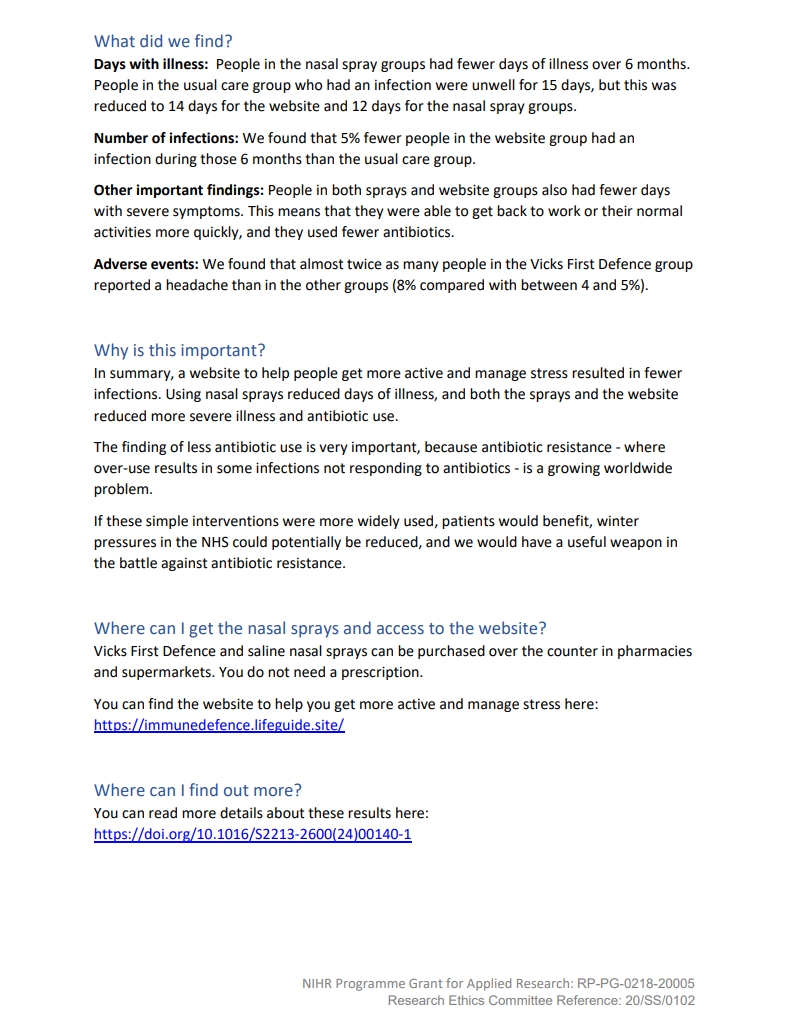
We have the following results for a Study in which some of our BHG Practices contributed: